

Repair lists have a way of arriving all at once. An inspection turns up four items, a road trip is coming, and the total is more than you want to spend this month. The useful news is that repairs can be sorted cleanly into categories, and once you know which category each item falls into, the order becomes simpler – and the spending spreads out across months instead of landing in one week.
Here’s how to work through a list of repairs when you can’t do all of them at once.
Start By Sorting Into Three Groups
- Safety and roadworthiness. Brakes, tires, steering, suspension components that affect control, lights, wipers, and anything affecting the ability to stop or steer. These come first, always, regardless of cost.
- Damage prevention. Repairs that are not dangerous today but get more expensive the longer they wait: fluid leaks, overheating, a failing water pump, worn belts, a slipping transmission, or a check engine light related to emissions or fueling.
- Comfort, cosmetics, and convenience. Air conditioning, a noisy blower motor, trim, paint, a window that moves slowly. These matter to how you feel about the car, not to whether it works.
Anything in the first group happens now, while anything in the second gets scheduled by how fast it deteriorates. The third group waits until the first two are done.
Confirm The List Is Accurate Before You Spend
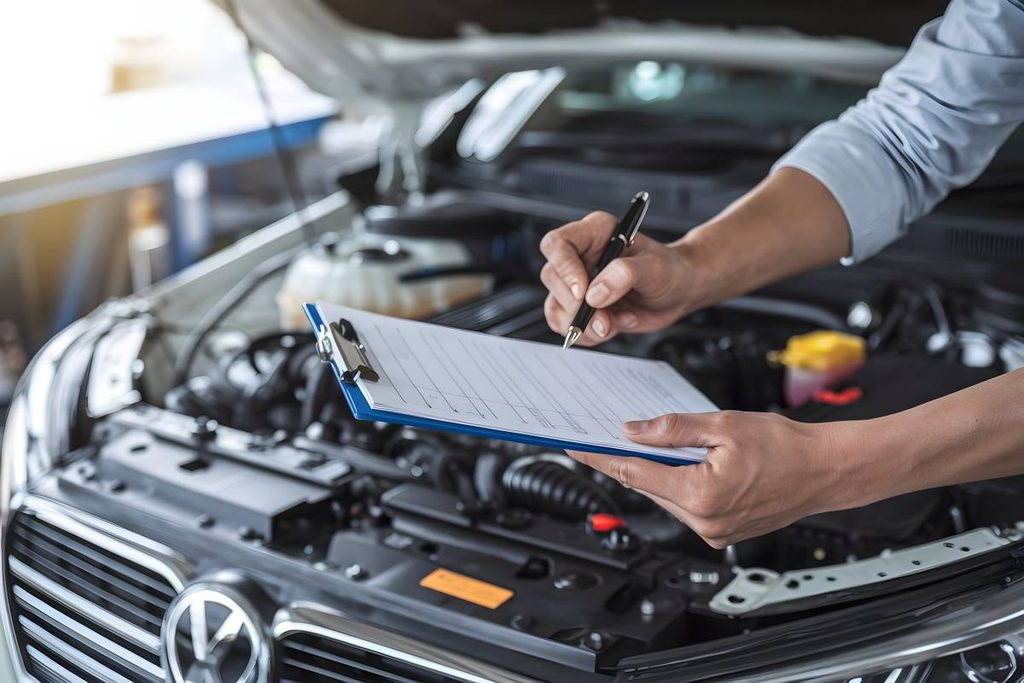
Repair estimates vary in quality, and some items on a shop’s list are recommendations rather than requirements. Ask which items are urgent, which are advisory, and what the consequence of waiting is for each one. A good shop answers those questions directly. It’s also worth verifying what the car itself reports, since pulling your own codes and understanding what each one refers to tells you whether an item on the list connects to a fault the vehicle has actually logged. Our guide to diagnosing vehicle problems correctly covers that process, and the factory service data tells you which components are genuinely related to a symptom.
Weigh Each Repair Against The Vehicle’s Value
A repair costing more than half the car’s market value deserves a longer conversation than a repair costing a tenth of it. Check what your car is worth in its current condition, then look at the total repair list against that number. Cars in good structural condition with high mileage are frequently worth repairing, since a $2,000 repair on a car that runs for three more years costs far less than replacing it. Rust in structural areas, a failing transmission on an aging vehicle, or a list that keeps growing every visit points the other way.
Group Repairs That Share Labor
Labor is the largest part of most repair bills, and jobs that require the same disassembly cost far less done together. A water pump driven by the timing belt should be replaced when the belt is. A rear main seal is worth doing when the transmission is already out. Spark plugs on some engines require intake removal that other jobs also require. Ask your shop, or check the procedures yourself, which items on your list overlap, since bundling three repairs into one labor charge can save several hundred dollars.
Think In Months
Spreading repairs across a schedule works well when the safety items are handled first. Fix brakes and tires this month, the coolant leak next month, the air conditioning in spring. Write the plan down with rough costs and dates, since a written plan turns an overwhelming list into a sequence of manageable jobs and stops you from forgetting what’s still outstanding.
Take On What You Can Do Yourself
Doing part of the list at home frees money for the parts you’d rather pay a professional to handle. Brake pads, fluids, filters, batteries, bulbs, and suspension components are all standard home-garage work with factory procedures behind them. Even on jobs you send to a shop, reading the procedure first tells you what the work involves, which makes the estimate easier to evaluate and the conversation with the service advisor a more equal one.
Know Which Delays Are Actually Dangerous
Some repairs tolerate waiting and some do not. A worn timing belt past its interval, brake pads down to the backing plates, a car overheating regularly, a leaking fuel line, a failing wheel bearing, or worn tires in wet weather all belong to the category where the failure carries a real risk. If an item on your list falls into that group, it moves to the front regardless of budget, and if the money isn’t there, the correct answer is to stop driving the car until it is.
Put The Factory Data Behind Your Decisions
Prioritising well depends on knowing what each repair involves, which items share labor, and what the manufacturer says about intervals and severity. At emanuals, our workshop repair manual membership gives you access to over 5 million OEM manuals, factory procedures for your exact model, and the ability to look up any repair on your list before you approve it.
FAQs
Which car repairs should always come first?
Anything affecting your ability to stop, steer, or be seen. Brakes, tires, steering and suspension components, and lights take priority over every other category, including repairs that cost more or bother you more day to day.
Is it cheaper to do several repairs at once?
Often, yes. Jobs sharing the same disassembly, such as a water pump replaced alongside a timing belt, cost far less bundled together because you pay the labor once. Ask which items on your list overlap before scheduling them separately.
How do I know if a repair is worth it on an older car?
Compare the repair total against the car’s current value and its remaining useful life. A body in sound condition with a mechanical problem is usually worth fixing, while structural rust or a repair list that grows at every visit suggests putting the money toward a replacement instead.
Can I keep driving with the check engine light on?
It depends on the fault. A steady light on a car that drives normally usually allows short-term driving while you arrange a repair, and a flashing light indicates a misfire that can damage the catalytic converter, so that one means stopping soon. Pull the code to find out which situation you’re in.
What repairs can I safely postpone?
Comfort and cosmetic items: air conditioning, a slow window, worn trim, minor paint damage. None of them affect safety or cause further damage by waiting, which makes them the natural end of the queue once the mechanical work is done.