
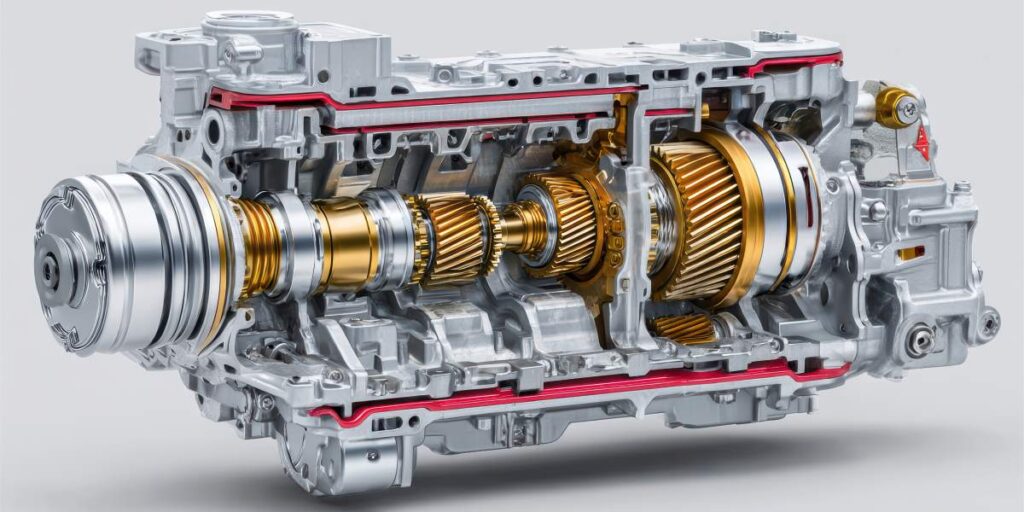
Mercedes-Benz automatic transmissions are durable units that respond well to servicing and poorly to neglect. The 722.6 five-speed, the 722.9 seven-speed 7G-Tronic, and the current nine-speed 9G-Tronic all share the same basic requirement: clean fluid at the correct level, changed on a sensible interval, using the exact specification the unit was designed for.
Here’s what maintaining one properly involves.
Fluid Service Is The Whole Job
Automatic transmission fluid lubricates, cools, transmits power through the torque converter, and operates the hydraulic control system. It degrades with heat and accumulates clutch material over time, and degraded fluid causes harsh shifts, slipping, and eventually the wear that ends a transmission.
Mercedes has described fluid in some models as filled for life, and independent specialists widely recommend changing it regardless, typically every 40,000 to 60,000 miles. Vehicles that tow, sit in traffic, or drive hard should be at the shorter end. The cost of a fluid and filter service is a small fraction of a rebuild, which makes the arithmetic straightforward.
Use The Correct Specification
This matters more on Mercedes transmissions than almost anything else in their maintenance. Each unit calls for a specific fluid meeting a Mercedes-Benz approval sheet number, and the correct fluid differs between the 722.6, the 722.9, and the 9G units.
Universal fluids advertised as suitable for multiple applications are a common cause of shift quality problems and premature wear in these transmissions. The approval number for your unit is listed in the factory documentation, and matching it exactly costs the same as getting it wrong.
The Filter And Pan Come With The Fluid
A proper service replaces the filter and the pan gasket alongside the fluid. On many Mercedes units the filter is integrated with the pan, so the pan is replaced as an assembly. Inspect what comes out: a light film of material on the magnets is normal, while significant metal or friction material means the transmission has internal wear that a fluid change will not resolve.
The drain plug and pan bolts have torque specifications, and the aluminum housings involved make over-tightening a genuine risk.
Checking The Fluid Level Correctly
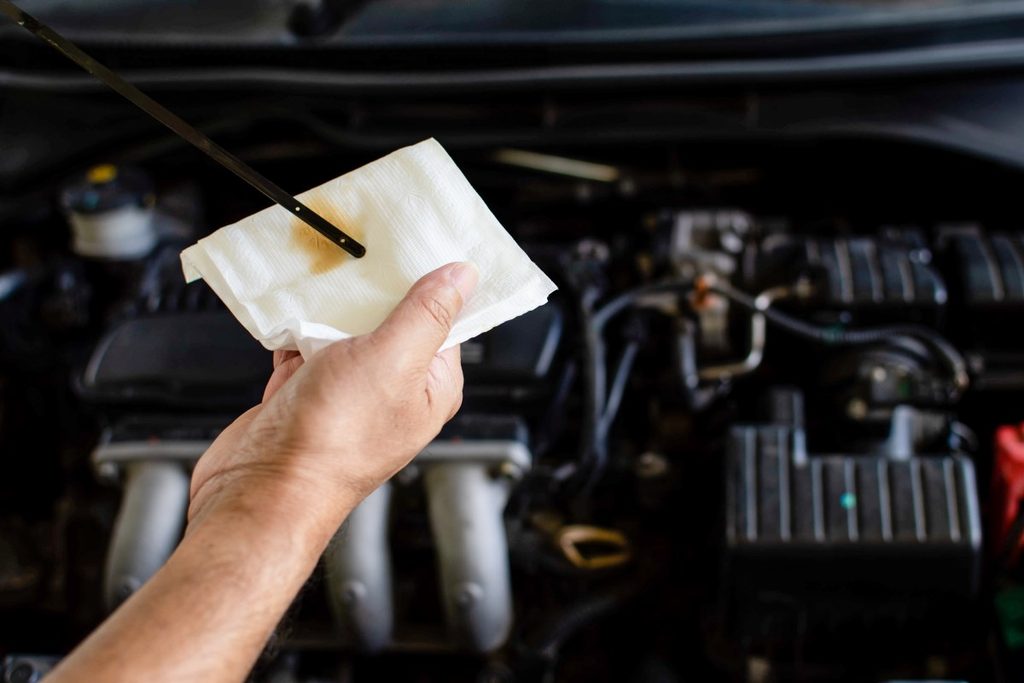
Most modern Mercedes transmissions have no dipstick, and level checking requires a specific procedure: the transmission at a specified temperature, usually measured with a scan tool, the engine running, the vehicle level, and the fill plug removed to check for the correct overflow. Doing this at the wrong temperature gives a wrong result, since fluid volume changes measurably with heat.
Overfilling causes foaming and erratic shifting. Underfilling starves the pump and causes slipping. Both are avoidable by following the temperature-specified procedure in the manual.
Conductor Plate And Electrical Faults
The 722.6 transmission uses a conductor plate carrying the speed sensors and solenoids, and it’s a known wear item. Symptoms include limp mode, harsh or delayed shifts, and a speedometer that stops working. The 13-pin connector that passes through the transmission case is another known failure point, since fluid can wick up the wiring and reach the transmission control module.
Both are repairable, and neither requires transmission removal on most applications, which makes early diagnosis worthwhile.
Symptoms Worth Acting On Quickly
- Harsh or delayed engagement when selecting drive or reverse
- Slipping, where engine speed rises without corresponding acceleration
- Shuddering at light throttle, often a torque converter lock-up symptom
- Fluid leaks at the pan, cooler lines, or the electrical connector
- Limp mode, where the transmission holds a single gear
- Burnt smell from the fluid
Any of these deserve immediate attention. Automatic transmissions rarely improve on their own, and the difference between an early fluid or conductor plate repair and a rebuild is substantial.
Habits That Extend Transmission Life
Come to a complete stop before shifting between drive and reverse. Allow the transmission to warm before driving hard in cold weather. Fit an auxiliary cooler if you tow regularly, since heat is the primary enemy of automatic transmission fluid. And service on an interval rather than waiting for symptoms, because by the time shift quality changes, wear has already occurred.
Service It On Factory Data
Don’t forget that approval sheet numbers, fill capacities, temperature-specific level procedures, torque figures, and diagnostic sequences all vary by transmission and model year, and getting any of them wrong on these units is expensive. That’s why at emanuals, you can get Mercedes maintenance manuals with the factory specifications and procedures for your exact transmission, drawn from a library of over 5 million OEM titles.
FAQs
How often should I change the transmission fluid in a Mercedes?
Independent specialists commonly recommend every 40,000 to 60,000 miles, with the shorter interval for cars that tow, sit in traffic, or are driven hard. Some manuals describe the fluid as lifetime fill, and changing it anyway measurably extends transmission life.
Is Mercedes transmission fluid really lifetime?
The description exists in some documentation, though the practical experience of specialists and high-mileage owners points the other way. Fluid degrades with heat and collects clutch material, and transmissions serviced regularly last considerably longer than those that never are.
What fluid does my Mercedes transmission need?
Whichever fluid meets the Mercedes-Benz approval sheet number specified for your exact transmission, since the 722.6, 722.9, and 9G units call for different specifications. Universal multi-vehicle fluids are a common cause of shift quality problems in these units.
Why does my Mercedes have no transmission dipstick?
Most modern units use a sealed design checked through a fill plug at a specified fluid temperature, usually read with a scan tool. The procedure gives a more accurate result than a dipstick, provided the temperature requirement is followed exactly.
What is a conductor plate and why does it fail?
It’s the internal electrical component in the 722.6 transmission carrying the speed sensors and solenoid connections. It wears with age and heat, producing limp mode, harsh shifting, and speedometer faults, and it can usually be replaced without removing the transmission.