
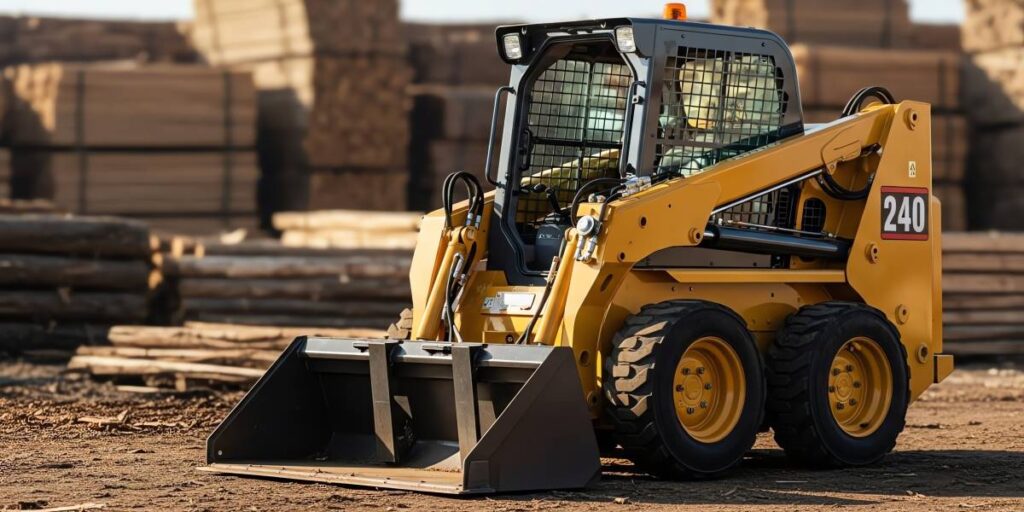
Skid steers work harder per hour than almost anything else on a job site. They run constantly, carry attachments that load the hydraulic system heavily, and operate in exactly the dust, mud, and debris that shortens component life. A machine putting in 1,000 hours a year reaches its major service intervals three or four times over in the period a pickup truck would need one oil change.
Maintenance on these machines follows the hours, and the payoff is a unit that stays on site instead of on a trailer. Let’s take a closer look.
Daily Checks Before The Shift
Ten minutes at startup covers the majority of developing faults.
- Engine oil, coolant, and hydraulic fluid levels on level ground
- Fuel level, and drain the water separator
- Leaks under the machine, around cylinders, hoses, and the attachment coupler
- Tires or tracks: pressure, cuts, tread depth, and track tension
- Grease points across the loader arms, cylinder pins, and coupler
- Air filter restriction indicator
- Safety systems: seat belt, seat bar, operator presence interlocks, and lights
- Debris cleared from the engine compartment, radiator, and oil cooler
The debris point carries more weight on skid steers than on larger machines. The engine compartment sits close to the work, and packed material causes overheating and creates a genuine fire risk on machines handling dry organic material.
Every 50 Hours
Grease everything on the lubrication chart, which on most skid steers means the loader arm pivots, cylinder ends, and the quick coupler. These pins carry very high loads through a short arc, and missed greasing shows up quickly as slop in the loader arms.
Check the battery terminals, inspect the belts, and clean the radiator and cooler cores properly.
Every 250 Hours
The standard engine service: oil and filter change, fuel filter replacement, and a detailed inspection of hoses and fittings. Check the hydraulic filter condition, and inspect the chain case oil level on chain-drive machines.
Check tire pressures precisely at this point. Uneven pressures on a skid steer cause the machine to pull, wear tires unevenly, and place extra load on the drive system, and tires are among the largest consumable costs on a wheeled machine.
Every 500 To 1,000 Hours
Hydraulic filters, and hydraulic oil where the manufacturer specifies it. Final drive or chain case oil changes. Air filter replacement rather than cleaning, because filter media degrades with repeated cleaning and a pinhole feeds dust straight into the engine.
Inspect the loader arm pins and bushings, measuring wear against the published limits. Worn pins allow movement that damages the bores they sit in, and planned pin replacement costs a fraction of the repair once a bore is worn.
Annually Or Every 2,000 Hours
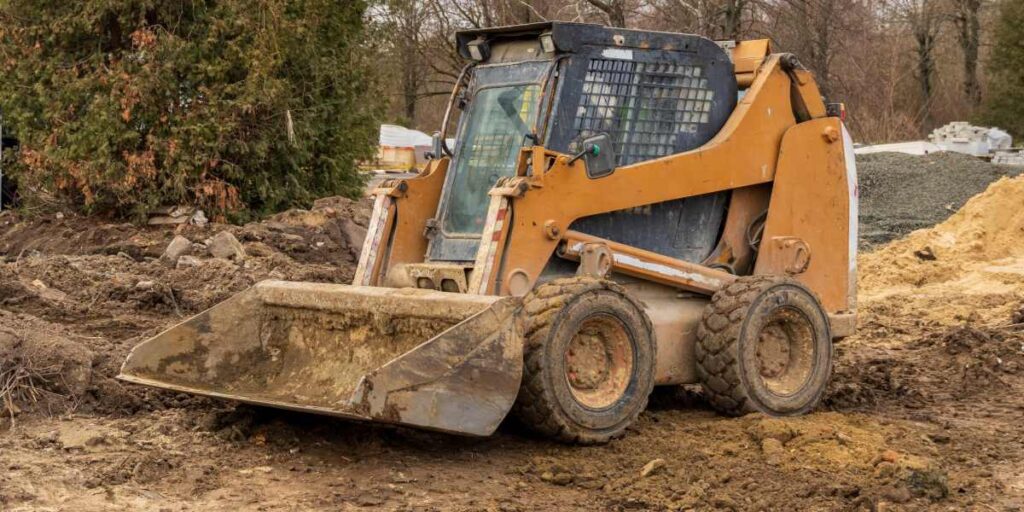
Coolant replacement, valve clearance checks on many engines, a full structural inspection of the loader arms and frame looking for cracks around welds and stress points, and hydraulic system pressure testing against specification. Gradual pressure loss shows up as slower cycle times long before anything fails outright, and testing catches it while it’s still a pump or relief valve adjustment.
Attachments Need Their Own Schedule
The attachment is doing the work, and it has maintenance requirements the machine doesn’t. Buckets need cutting edges and teeth monitored. Augers, breakers, and mulchers have their own service intervals, grease points, and wear parts. Hydraulic attachments load the machine’s system heavily, which is a reason to shorten hydraulic oil and filter intervals on machines that run them regularly.
Check the quick coupler mechanism daily. A coupler that isn’t fully engaged can drop an attachment, and the pins and locking mechanism wear with every change.
Tracks Versus Tires
- Tracked machines need tension checked and set to the manufacturer’s measurement, since incorrect tension accelerates wear across sprockets, rollers, and idlers. Clean packed material from the undercarriage at the end of each day, because material that dries in place puts constant load on the track system.
- Wheeled machines need matched tire pressures and matched tire wear across all four corners. A skid steer steers by dragging its tires sideways, so uneven diameters place the drive system under constant strain.
Keep Records Per Machine
Log every service against the hour meter, with parts used and wear measurements taken. On a fleet, the records reveal which machines consume components faster and why, and they support warranty claims. At resale, documented history against hours is one of the few things a buyer can actually verify about a used skid steer.
Work From The Manufacturer’s Figures
Service intervals, fluid specifications, hydraulic pressures, wear limits, and track tension measurements are specific to the make, model, and serial range. At emanuals, you get OEM construction machinery manuals covering skid steers, track loaders, and the rest of the yard, in a searchable library of more than 5 million titles. Downloads work offline, which suits a site trailer with no reliable signal. Start with a membership and service the fleet from factory data.
FAQs
How often should a skid steer be serviced?
Engine oil and filters typically every 250 hours, hydraulic filters between 500 and 1,000 hours, and major services annually or at 2,000 hours, with daily checks before every shift. Machines running hydraulic attachments or working in heavy dust should follow the shorter severe service intervals.
What is the most overlooked skid steer maintenance item?
Greasing the loader arm and coupler pins. They carry very high loads through a short range of movement, and missed intervals produce slop in the arms that damages the pin bores, which is a far more expensive repair than the grease would have been.
How do I know if my skid steer’s hydraulics are wearing out?
Slower cycle times, weaker breakout force, drift when holding a load, overheating hydraulic oil, and unusual pump noise are the usual early signs. Pressure testing against the factory specification confirms it.
Do hydraulic attachments affect service intervals?
Yes. Breakers, mulchers, and augers load the hydraulic system far more heavily than bucket work, which raises oil temperature and shortens fluid and filter life. Machines running them regularly should be on the severe service schedule.
Should I clean my skid steer’s undercarriage daily?
On tracked machines, yes. Material packed into the undercarriage dries in place and puts constant load on sprockets, rollers, and idlers, and undercarriage components represent a large share of the machine’s lifetime running cost.