
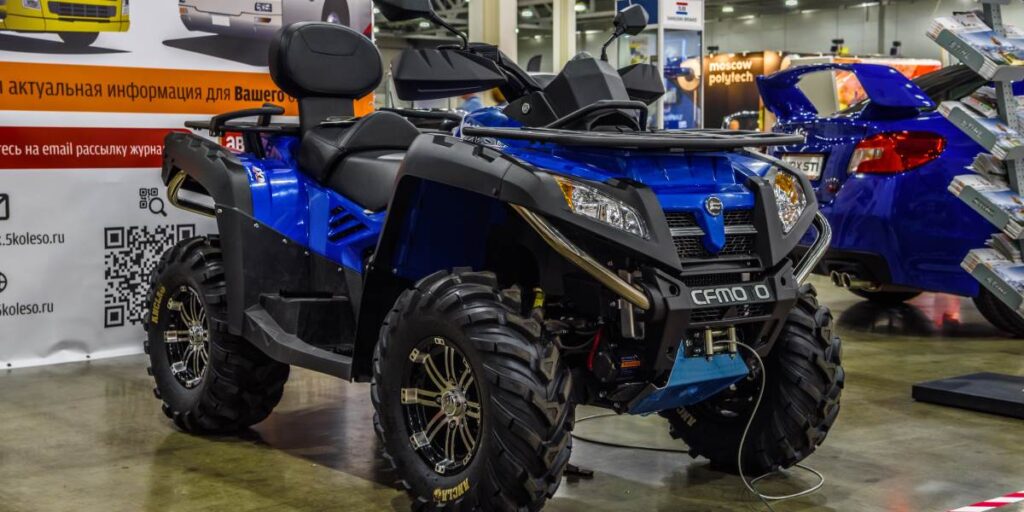
ATVs take more abuse than almost any recreational vehicle. They run through water, mud, sand, and dust, then sit for weeks between rides. Most faults trace back to that pattern, which makes them predictable once you know what to check. Here are the eight that come up most, with the checks that resolve them.
1. It Won’t Start
Work through this in order.
- No crank at all points to the battery, the connections, or a safety interlock. ATV batteries are small and die from sitting more than from use. Check voltage, then the terminals and ground, then confirm the machine is in neutral or park with the brake applied, since most ATVs won’t crank otherwise.
- Cranks but won’t fire usually means fuel. Stale gasoline gums the carburetor on carbureted machines within a month or two of sitting. Drain it, clean the carburetor, and refill with fresh stabilized fuel. On fuel-injected machines, check the pump runs when the key turns.
Starts and dies points at a restricted fuel supply, a blocked tank vent, or water in the fuel.
2. The Engine Overheats
Start at the radiator. Mud packed into the fins is by far the most common cause, and it builds up faster than most riders expect. Clean the fins thoroughly from the back where possible, since pushing debris further in makes it worse.
Then check coolant level, the fan operation, the thermostat, and the water pump. ATVs spend a lot of time at low speed where the fan does all the cooling work, so a failed fan shows up quickly.
3. Milky Oil Or Water In The Engine
Water crossings, a submerged airbox, or a failed seal let water into the engine, and the oil turns from amber to a milky brown. Change the oil immediately, and change it again after a short run to flush the remaining moisture out.
Then find the entry point. Common routes are the airbox snorkel sitting too low, a failed crankcase breather, worn seals, or water entering through the dipstick or filler on a fully submerged machine. Left alone, water in the oil destroys bearings quickly.
4. Clutch Problems On CVT Machines
Most modern ATVs use a continuously variable transmission with a belt running between two variable pulleys. Symptoms of trouble include belt slip, a burning smell, poor acceleration, and a machine that won’t move at all.
Causes are usually a worn or glazed belt, water in the CVT housing after a deep crossing, worn clutch rollers or weights, or a sheared belt. CVT housings have drain plugs for exactly this reason, and checking that drain after water riding is a habit worth building. Carry a spare belt if you ride far from help.
5. The Brakes Feel Poor Or Drag
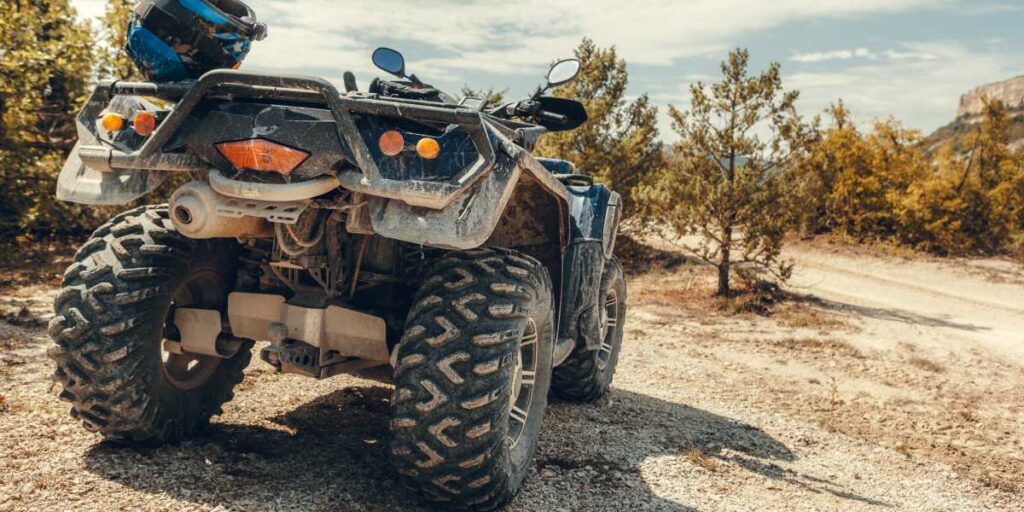
ATV brakes live in mud and water, which is unkind to them. Soft or spongy brakes point to air in the system or moisture in the fluid, both fixed by bleeding and replacing the fluid. Brakes that drag or grab usually mean a sticking caliper piston or seized slide pins, both from corrosion and grit.
Pads wear far faster on an ATV than on a car, so check thickness regularly rather than waiting for noise.
6. Electrical Faults And Flat Batteries
A battery that keeps going flat means either a charging fault or a drain. Check charging voltage at the battery with the engine running, which should sit around 13.5 to 14.5 volts on most machines. Low voltage points at the stator, the regulator-rectifier, or a failing battery.
The regulator-rectifier is a known weak point across many ATVs, since it handles a lot of heat in a small package. Corroded connectors and grounds cause a wide spread of odd electrical behavior, and they’re worth cleaning before chasing anything complicated.
7. Suspension And Steering Play
Bushings, ball joints, tie rod ends, and wheel bearings all wear quickly in grit and water. Symptoms are wandering steering, knocking over bumps, uneven tire wear, and play when you rock a wheel.
Check each corner by lifting the machine and rocking the wheels top to bottom for bearings and side to side for steering components. These are wear items, and replacing them restores handling completely.
8. Drivetrain Noise Or Vibration
On shaft-driven machines, check the differential oil level and condition, and inspect the CV boots. A split boot lets grit into the joint, and the joint fails within a few rides once that happens.
On chain-driven machines, a chain that’s stretched, dry, or badly adjusted causes noise, vibration, and accelerated sprocket wear. Check tension against the specification in the manual, since too tight causes as much damage as too loose.
Most Of This Is Preventable
Nearly every fault here comes from water, grit, or storage. Washing the machine properly after each ride, keeping the pressure washer away from bearings and seals, checking the air filter constantly, draining the CVT after water crossings, and putting the battery on a maintainer between rides prevents the large majority of them.
Get The Specifications For Your Machine
Torque figures, fluid capacities, charging voltages, chain tension, and diagnostic procedures differ by make, model, and year, and powersports manufacturers change specifications between model years more often than car makers. When you choose emanuals, you get ATV repair documentation covering ATVs, UTVs, and side-by-sides from a library of more than 5 million OEM manuals. Downloads work offline, which matters where these machines get used. Get access here and fix yours from the manufacturer’s own figures.
FAQs
Why won’t my ATV start after sitting all winter?
Stale fuel is the usual cause, followed by a flat battery. Gasoline degrades in about a month and gums up the carburetor, so drain it, clean the carburetor if needed, charge or replace the battery, and refill with fresh stabilized fuel.
What causes an ATV to overheat?
Mud and debris packed into the radiator fins, most commonly. Clean the radiator thoroughly, then check coolant level, fan operation, and the thermostat if the problem continues.
Why is my ATV’s CVT belt slipping?
Usually a worn or glazed belt, water in the CVT housing after a deep crossing, or worn clutch components. Drain the CVT housing after water riding, and carry a spare belt if you ride anywhere remote.
How do I know if my ATV has water in the engine?
The oil turns milky brown instead of amber, and the level may read higher than it should. Change the oil immediately, run the engine briefly, change it again, and then find where the water is getting in.
Why does my ATV battery keep dying?
Either the charging system isn’t keeping up or something is drawing current with the key off. Check charging voltage at the battery with the engine running, and look at the regulator-rectifier if it reads low, since that component fails regularly on these machines.